
Introduction
Medical uniforms in the UAE serve a critical role in healthcare environments. They are not simply garments; they are part of infection control systems, professional identity, and operational efficiency. In hospitals, clinics, laboratories, and specialized care centers across Dubai, Abu Dhabi, and the wider Emirates, uniforms must meet strict hygiene, durability, and comfort standards.
The global medical apparel market reflects the growing demand for specialized healthcare garments. According to a report by GM Insights, the global medical clothing market was valued at USD 109.3 billion in 2023 and is expected to continue expanding due to rising healthcare infrastructure investment worldwide.
As healthcare facilities expand across the UAE, medical uniforms must perform under high temperatures, long working hours, and rigorous washing protocols. A professional uniform company in UAE must treat medical uniform production as technical garment engineering rather than standard apparel manufacturing.
Medical uniforms must combine hygiene compliance, structural durability, climate adaptability, and professional presentation into one cohesive system.
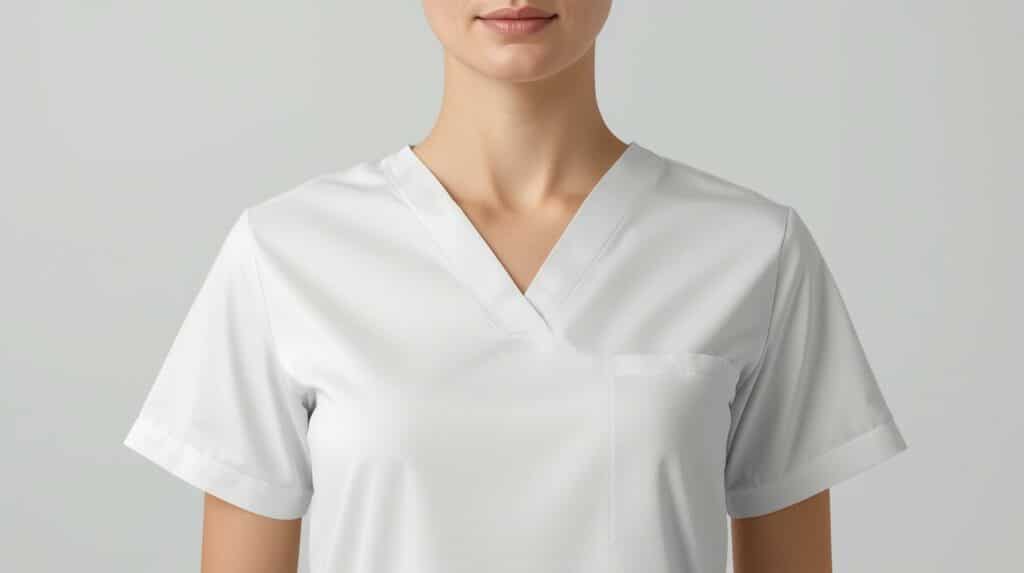
The Functional Purpose of Medical Uniforms
Medical uniforms serve three core functions: hygiene, identification, and authority. Each function directly impacts patient trust and operational workflow.
Hygiene is the primary requirement. Healthcare professionals are exposed to biological risks, and uniforms must withstand high-temperature washing and sterilization processes without losing structure or color. Fabric selection and seam construction must resist repeated laundering at industrial levels.
Identification is equally important. Different departments often rely on color coding or standardized uniform styles to distinguish roles quickly. Nurses, doctors, technicians, and administrative staff may wear variations that allow immediate recognition within high-pressure environments.
Professional authority is also critical. Clean, structured, well-fitted uniforms reinforce patient confidence. In healthcare settings, presentation influences trust. Wrinkled, faded, or poorly fitted garments can weaken perceived credibility.
Medical uniforms must therefore combine functionality with professional clarity.
Fabric Engineering for UAE Healthcare Environments
The UAE climate creates additional demands on medical apparel. Healthcare professionals frequently move between air-conditioned interiors and outdoor areas. Long shifts, physical movement, and heat exposure require breathable yet durable materials.
Blended fabrics are commonly used because they combine moisture control with structural strength. Polyester contributes durability and shape retention, while cotton enhances breathability and comfort.
Moisture management is particularly important in healthcare settings. Long shifts can lead to heat buildup, and fabric must allow airflow without becoming heavy or restrictive.
Shrink resistance is another essential factor. Repeated high-temperature washing can distort poorly engineered garments. Fabric blends must maintain dimensional stability to ensure consistent fit after multiple cycles.
A uniform company in UAE must conduct wash-cycle testing before finalizing fabric selection for medical uniforms.
Structural Construction and Durability
Medical uniforms endure constant movement. Professionals bend, lift, reach, and walk for extended hours. Seam strength and reinforcement are essential for maintaining structural integrity.
High-stress areas include shoulders, side seams, underarms, and pocket attachments. Reinforced stitching prevents seam splitting during repetitive motion.
Pocket placement is particularly important in medical uniforms. Healthcare professionals carry tools, pens, small instruments, and devices. Pockets must be positioned strategically to balance weight distribution and prevent garment distortion.
Seam allowances must allow minor adjustments while maintaining strength. Proper internal finishing prevents irritation during long shifts.
Construction precision directly impacts longevity. Durable construction reduces replacement frequency and ensures consistent professional appearance across departments.
Hygiene Compliance and Wash Resistance
Medical uniforms in the UAE must tolerate frequent industrial laundering at temperatures ranging from 60°C to 90°C. Detergents and disinfectants can degrade low-quality fabrics and thread over time.
Uniform engineering must prioritize:
- Colorfast dyes that resist fading
- Reinforced stitching that prevents unraveling
- Shrink-resistant fabric blends
- Strong thread that withstands chemical exposure
Uniforms that lose shape or color after repeated washing compromise both hygiene standards and brand representation.
Hospitals and clinics rely on consistent uniform quality. A professional uniform company in UAE must align garment construction with healthcare sanitation protocols.
Fit, Comfort and Mobility
Medical professionals often work shifts exceeding eight to twelve hours. Poorly fitted uniforms increase fatigue and discomfort.
Tailoring must allow natural body movement without excessive looseness or tightness. Balanced garment shaping ensures flexibility while maintaining a structured silhouette.
Necklines, sleeve openings, and waist construction must prevent friction or heat buildup. Lightweight construction reduces strain during long shifts.
Proper fit also enhances authority. Well-tailored medical uniforms convey discipline and competence. Patients associate structured appearance with professionalism.
Mobility engineering is especially important in emergency settings, where rapid movement is essential.
Departmental Differentiation and Branding
Color coding supports efficiency within healthcare facilities. Different departments may wear specific colors to facilitate quick identification.
Consistency in shade and dye quality ensures visual uniformity across staff members. Variations in color between batches weaken professional presentation.
Logo placement must remain subtle and professional. Most medical uniforms feature small chest embroidery or name tags for identification rather than large printed designs.
Uniform consistency reinforces institutional identity. Whether in private clinics or large hospitals, structured appearance strengthens public trust.
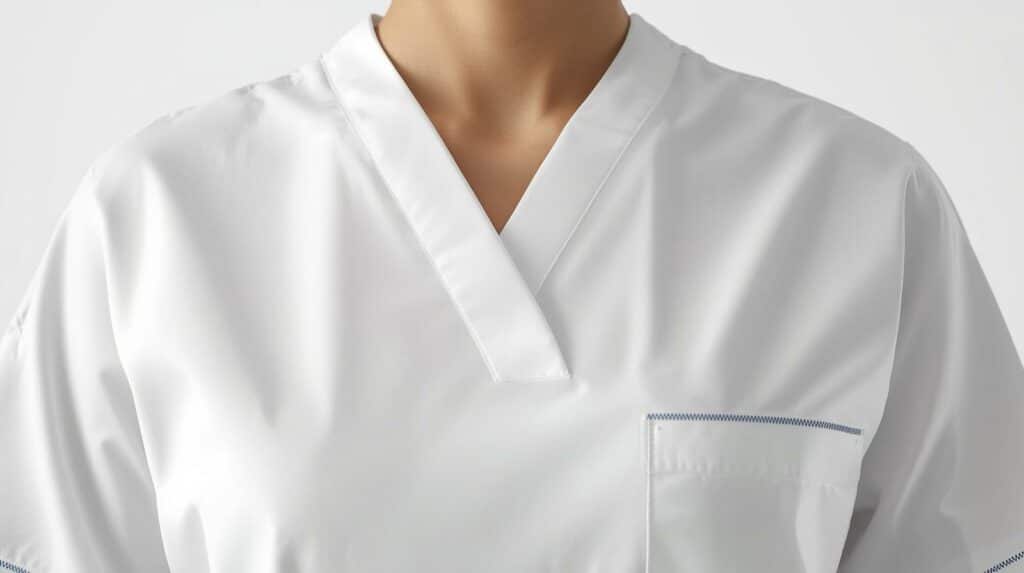
Climate Adaptation in UAE Healthcare Facilities
Although most healthcare facilities are climate-controlled, staff may move outdoors or between buildings. Lightweight construction prevents overheating during transitions.
Breathable fabrics support airflow in both controlled and high-temperature environments. Seam placement must avoid unnecessary bulk, allowing comfort under protective outerwear when required.
Climate adaptation is particularly relevant in emergency services and mobile healthcare units operating outdoors.
Uniform engineering must account for environmental fluctuation rather than relying solely on indoor assumptions.
Cost Efficiency and Long-Term Sustainability
High-quality medical uniforms reduce long-term costs. Durable fabrics and reinforced stitching extend garment lifespan, minimizing replacement cycles.
Healthcare facilities managing large teams benefit from consistent production standards and predictable garment durability.
Sustainability is increasingly important in the UAE healthcare sector. Long-lasting uniforms reduce textile waste and support responsible procurement practices.
Durability is both a financial and environmental decision.
The Role of a Specialized Uniform Manufacturer
Producing medical uniforms requires technical understanding of healthcare standards, climate conditions, and garment engineering.
A uniform company in UAE must integrate fabric science, structural reinforcement, wash-cycle testing, and fit precision into every stage of development.
Medical apparel cannot rely on generic templates. It must be designed specifically for the operational demands of UAE healthcare institutions.
Conclusion
Medical uniforms in the UAE must meet strict hygiene requirements, withstand industrial laundering, adapt to climate conditions, and maintain professional presentation. As the global medical apparel market continues expanding beyond USD 100 billion, expectations for quality and performance are increasing.
In a region defined by advanced healthcare infrastructure and demanding environmental conditions, uniform engineering must prioritize durability, mobility, and compliance.
For healthcare providers seeking long-term reliability and structured professional identity, investing in precision medical uniform construction ensures both operational efficiency and patient confidence.