Introduction
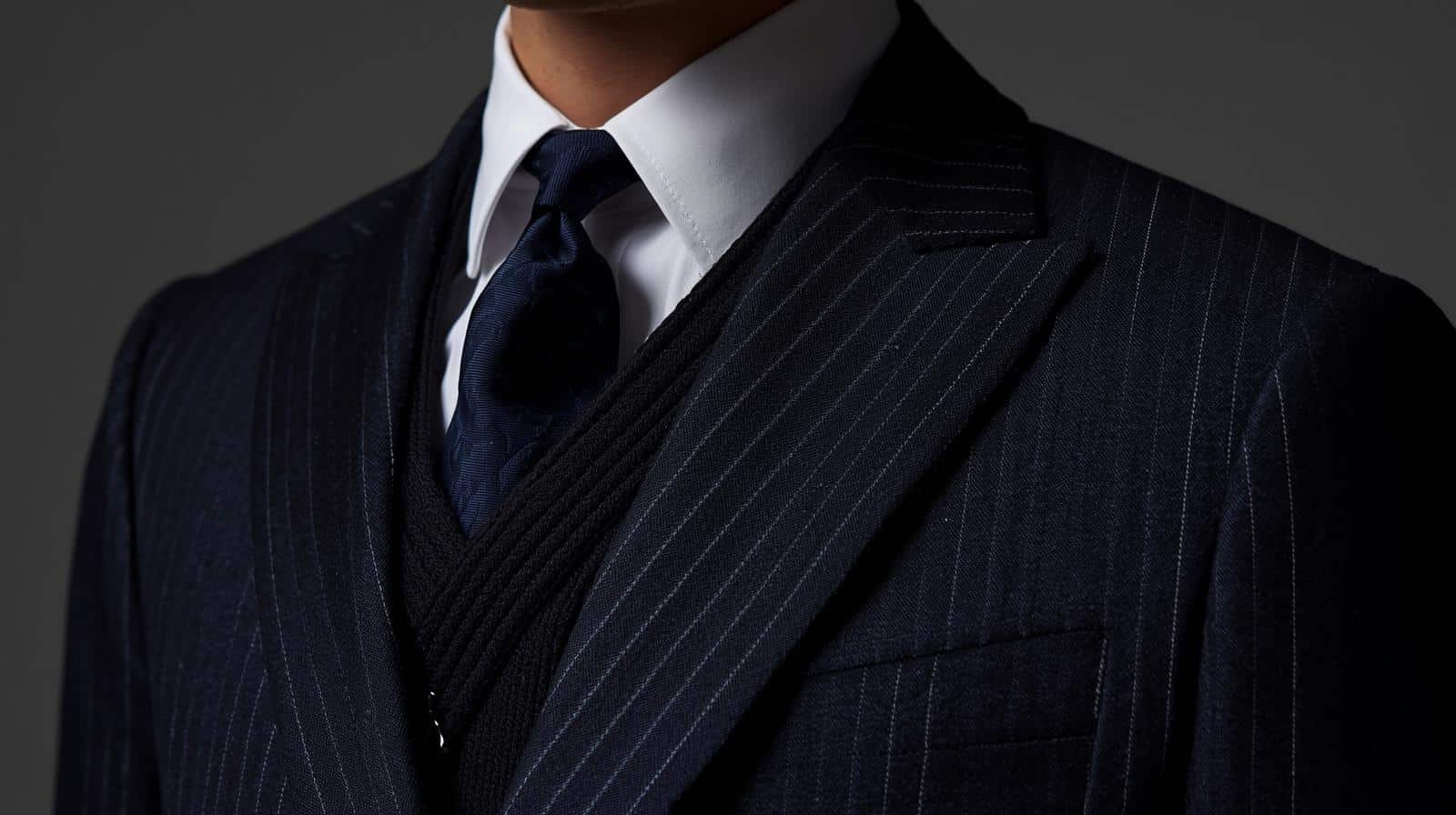
Uniform tailoring is the process that transforms fabric into structured, performance-driven professional attire. In the UAE, where presentation standards are high and environmental conditions are demanding, tailoring determines whether a uniform simply looks acceptable or truly performs in real-world conditions.
Tailoring directly affects comfort, durability, mobility, and brand perception. In industries ranging from hospitality and aviation to healthcare, construction, logistics, and corporate services, precision fit contributes to employee confidence and operational efficiency.
The global tailoring and alteration services market reflects sustained demand for professional garment construction. According to The Business Research Company, the global tailoring and alteration services market was valued at $9.82 billion in 2025 and is projected to reach $12.41 billion by 2030, growing at a CAGR of 4.8%.
This steady growth highlights the continued relevance of skilled garment construction. In the UAE, where uniforms must withstand heat, movement, and frequent laundering, tailoring is not cosmetic — it is structural engineering.
A professional uniform company in UAE must approach tailoring as a technical discipline that integrates fit science, climate adaptation, reinforcement strategy, and brand alignment.

The Engineering Behind Precision Uniform Fit
Measurement Accuracy and Pattern Development
Proper tailoring begins with accurate measurement. Ill-fitting uniforms create discomfort, restrict movement, and weaken brand presentation. Overly tight garments increase heat retention and stress on seams, while oversized uniforms reduce professionalism and structural sharpness.
Pattern development ensures that garments maintain proportional balance across all size ranges. Uniform workforces in the UAE are diverse, meaning sizing systems must accommodate various body structures without distorting the garment’s shape.
Professional pattern engineering ensures:
- Balanced shoulder alignment
- Correct sleeve rotation
- Proper waist shaping
- Symmetrical garment drape
- Consistent scaling across sizes
Precision tailoring prevents seam stress and reduces long-term structural fatigue.
Structural Reinforcement for Movement
Uniforms are worn for extended hours, often in physically demanding environments. Tailoring must support continuous movement without compromising garment integrity.
In sectors such as logistics and construction, reinforcement at high-stress areas is critical. These areas typically include shoulders, underarms, waist seams, and crotch seams. Without proper reinforcement, fabric strain leads to premature tearing.
In hospitality and corporate environments, reinforcement must remain subtle while preserving clean lines and sharp silhouettes.
Tailoring must balance structure and flexibility. Seam placement and internal finishing influence how comfortably a garment moves with the body.
A uniform company in UAE must evaluate how employees physically interact with their environment before finalizing garment construction.
Climate-Adaptive Tailoring in the UAE
The UAE’s extreme climate requires tailoring that considers heat expansion and airflow. Temperatures frequently exceed 40°C, and employees often transition between outdoor heat and air-conditioned interiors.
Tailored construction must account for fabric behavior under heat. Materials expand slightly, and improper seam construction can cause puckering or distortion. Flexible seam allowances and strategic stitch placement reduce stress during expansion.
Breathability is another critical factor. Tailoring must support airflow through:
- Balanced garment shaping
- Lightweight structural interfacing
- Reduced internal bulk
Over-structured garments trap heat and reduce comfort. Precision tailoring ensures structural sharpness without excessive layering.
Climate-adaptive tailoring extends garment lifespan by reducing stress points and maintaining shape integrity under environmental pressure.
Tailoring Standards Across Key UAE Industries
Corporate and Hospitality Presentation
In corporate and hospitality sectors, uniform tailoring directly influences brand perception. Employees represent the company visually, and clean silhouettes communicate authority and professionalism.
Tailored blazers, shirts, trousers, and dresses must maintain shape throughout long shifts. Darts, waist shaping, and collar structure contribute to polished appearance.
Excess fabric bunching or misaligned seams weaken visual authority. Proper tailoring ensures consistency across departments and locations, reinforcing brand unity.
Fit must also accommodate movement for service-based roles. Employees need flexibility while maintaining a refined appearance.
A uniform company in UAE working with hospitality clients must prioritize both aesthetic refinement and functional performance.
Healthcare and Industrial Requirements
Healthcare tailoring must emphasize hygiene and mobility. Medical professionals move continuously throughout long shifts. Uniforms must allow bending, lifting, and quick movement without resistance.
Tailoring in healthcare garments often incorporates relaxed shaping while maintaining structured lines. Reinforced seams must withstand high-temperature washing cycles.
In industrial environments, durability becomes the primary concern. Tailored uniforms must endure friction, heavy activity, and exposure to harsh conditions.
Structural allowances must support:
- Continuous movement
- Frequent laundering
- Environmental exposure
- Long-term wear
Precision tailoring ensures garments retain shape despite repeated stress.
Seam Allowances and Long-Term Durability
Proper seam allowances extend garment life. They allow minor adjustments as body measurements change and reduce seam tension during movement.
In workforce settings, size adjustments may be required over time. Adequate seam margins prevent the need for complete garment replacement.
Incorrect seam construction increases the likelihood of seam splitting during industrial washing or heavy use.
High-quality tailoring integrates reinforcement stitching with strategic seam allowances, ensuring garments remain structurally sound.
The Impact of Tailoring on Employee Confidence
Uniform fit directly affects wearer confidence. Employees in well-tailored uniforms stand straighter, move more comfortably, and present themselves with greater assurance.
In industries where customer interaction is frequent, appearance influences perception. Crisp tailoring communicates discipline and professionalism.
In physically demanding sectors, comfort improves productivity. Tailoring that accommodates natural body movement reduces fatigue and discomfort during long shifts.
Tailoring is therefore not just technical construction — it is part of workforce performance strategy.
Cost Efficiency Through Precision Construction
Well-tailored uniforms last longer. Proper fit reduces fabric strain and seam tension, minimizing premature wear.
Organizations benefit from:
- Lower replacement costs
- Fewer uniform reorders
- Reduced operational interruptions
- Consistent brand image
While precision tailoring may require greater initial attention to detail, it significantly reduces long-term expenditure.
Sustainability and Responsible Garment Engineering
Durable tailoring supports sustainability goals by extending garment lifespan. Fewer replacements mean reduced textile waste and lower environmental impact.
As sustainability standards increase across UAE industries, uniform durability becomes part of corporate responsibility.
High-quality tailoring contributes to responsible procurement strategies and long-term resource management.
Conclusion
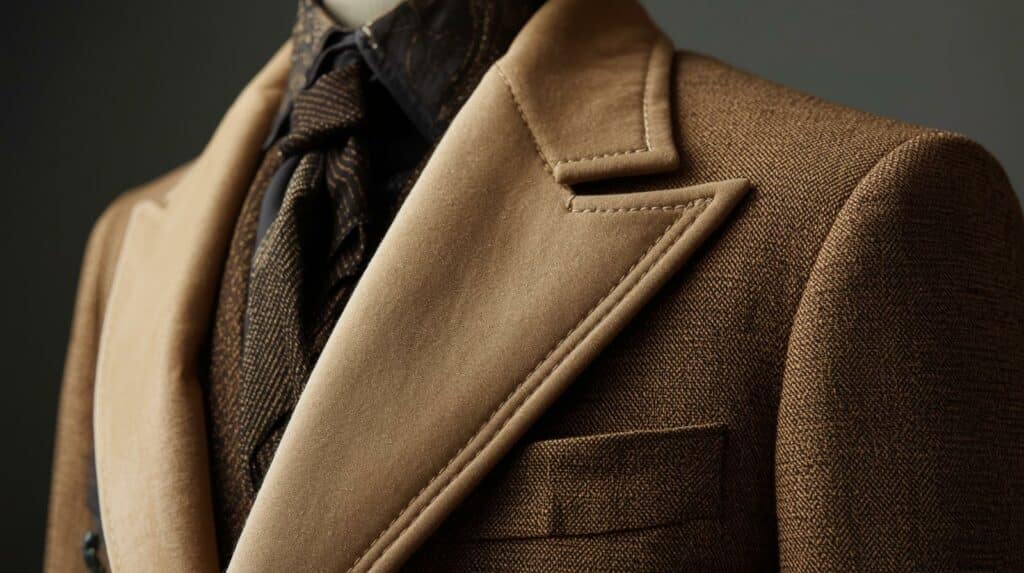
Uniform tailoring in the UAE requires precision engineering, climate awareness, and industry-specific expertise. From accurate measurement and pattern grading to seam reinforcement and structural shaping, tailoring determines how well a uniform performs under real-world conditions.
As the global tailoring market continues expanding, expectations for garment precision are rising. In a region defined by extreme temperatures and high professional standards, tailored excellence is essential.
For organizations seeking durability, comfort, and authoritative presentation, precision tailoring is not an option — it is a requirement.