Introduction
Uniform stitching is the structural backbone of every professional garment produced in the UAE. While fabric choice and design often receive the most attention, stitching determines whether a uniform lasts months or years. From construction and logistics to hospitality, aviation, healthcare, and corporate sectors, stitching quality directly affects durability, comfort, and overall brand presentation.
The global demand for workwear continues to expand. According to UniformMarket, the global workwear and uniforms market is projected to reach $67.92 billion in 2025, reflecting steady growth across industries worldwide.
This growth highlights the increasing importance of high-performance uniforms — particularly in regions like the UAE, where extreme heat, heavy industrial activity, and high service standards require garments built to endure pressure. A professional uniform company in UAE must treat stitching not as a minor detail, but as a primary engineering element within garment construction.
Uniform stitching is more than simply joining fabric panels together. It involves structural reinforcement, stress distribution, seam flexibility, thread selection, climate adaptation, and long-term wear resistance. In the UAE’s demanding work environments, stitching quality defines the lifespan and reliability of the uniform.
Core Principles of High-Quality Uniform Stitching
Precision Cutting and Pattern Engineering
High-quality stitching begins before the first seam is sewn. Precision cutting and pattern alignment are fundamental to ensuring that stress is evenly distributed across the garment. If panels are misaligned or improperly cut, even the strongest stitch will eventually fail.
Correct seam allowances — typically between ½ and ⅝ inch — allow for minor size adjustments and strengthen seam durability. Seam allowances that are too narrow increase the risk of tearing, while excessively wide allowances may create bulk and discomfort.
A uniform company in UAE must consider body movement, climate expansion, and fabric behavior when engineering garment patterns.
Thread Quality and Heat Resistance
Thread selection is often underestimated but critically important in UAE conditions. Low-quality thread can degrade quickly under UV exposure and repeated laundering.
High-performance thread should offer:
- UV resistance
- Moisture resilience
- Abrasion resistance
- Tensile strength
- Color retention
Polyester or poly-blend threads are typically preferred because they maintain strength under heat and friction. Cotton threads, while soft, may degrade faster in industrial washing environments.
In high-heat regions such as the UAE, thread must withstand:
- Sun exposure
- High washing temperatures
- Chemical detergents
- Drying cycles
Weak thread compromises even the strongest seam construction. Therefore, thread quality is a structural decision, not a cosmetic one.
Stitching Techniques Used in Professional UAE Uniforms
Lockstitch Construction for Stability
Lockstitch is one of the most widely used stitching techniques in professional uniforms. It creates a strong interlocking seam that resists unraveling.
Lockstitch is particularly suitable for:
- Corporate shirts
- Blazers
- Hospitality uniforms
- Aviation attire
- Medical coats
Its stability ensures long-term seam strength, especially in garments that require clean, tailored finishes.
Overlock Stitching for Edge Protection
Overlock stitching secures raw fabric edges and prevents fraying. This technique is especially important for lightweight fabrics designed for breathability in hot climates.
Benefits of overlock stitching include:
- Improved durability
- Reduced internal seam irritation
- Enhanced garment lifespan
- Cleaner interior finishing
In sectors such as healthcare and hospitality, clean seam finishing also supports hygiene standards.
Bartack Reinforcement at Stress Points
Bartack stitching involves dense clusters of stitches applied to high-stress areas. This reinforcement method prevents tearing in zones exposed to repeated movement.
Common bartack placements include:
- Pocket corners
- Belt loops
- Collar points
- Sleeve openings
- Side seam openings
In construction and logistics sectors, bartack reinforcement significantly reduces garment failure during demanding physical activity.
Climate-Specific Stitching Considerations in the UAE
Heat Expansion and Fabric Behavior
Extreme heat affects fabric structure. Materials expand under high temperatures and contract in cooler environments. Stitching must accommodate this natural movement.
Improper stitching may cause:
- Seam puckering
- Fabric distortion
- Thread breakage
- Reduced airflow
Flexible yet reinforced seam construction ensures that uniforms remain comfortable during long outdoor shifts.
Breathability must also be preserved. Overly tight seams can trap heat and reduce air circulation, increasing discomfort in high-temperature environments.
Industrial Laundering Durability
Uniforms in healthcare, hospitality, and food service sectors undergo frequent washing — often at high temperatures.
Stitching must resist:
- 60–90°C wash cycles
- Chemical disinfectants
- High-speed mechanical agitation
- Commercial drying processes
Seam failure during laundering leads to:
- Increased replacement costs
- Operational disruption
- Inconsistent uniform appearance
Durable stitching ensures that garments retain their structural integrity even after hundreds of wash cycles.
The Relationship Between Stitching and Brand Image
Visual Precision and Professional Presentation
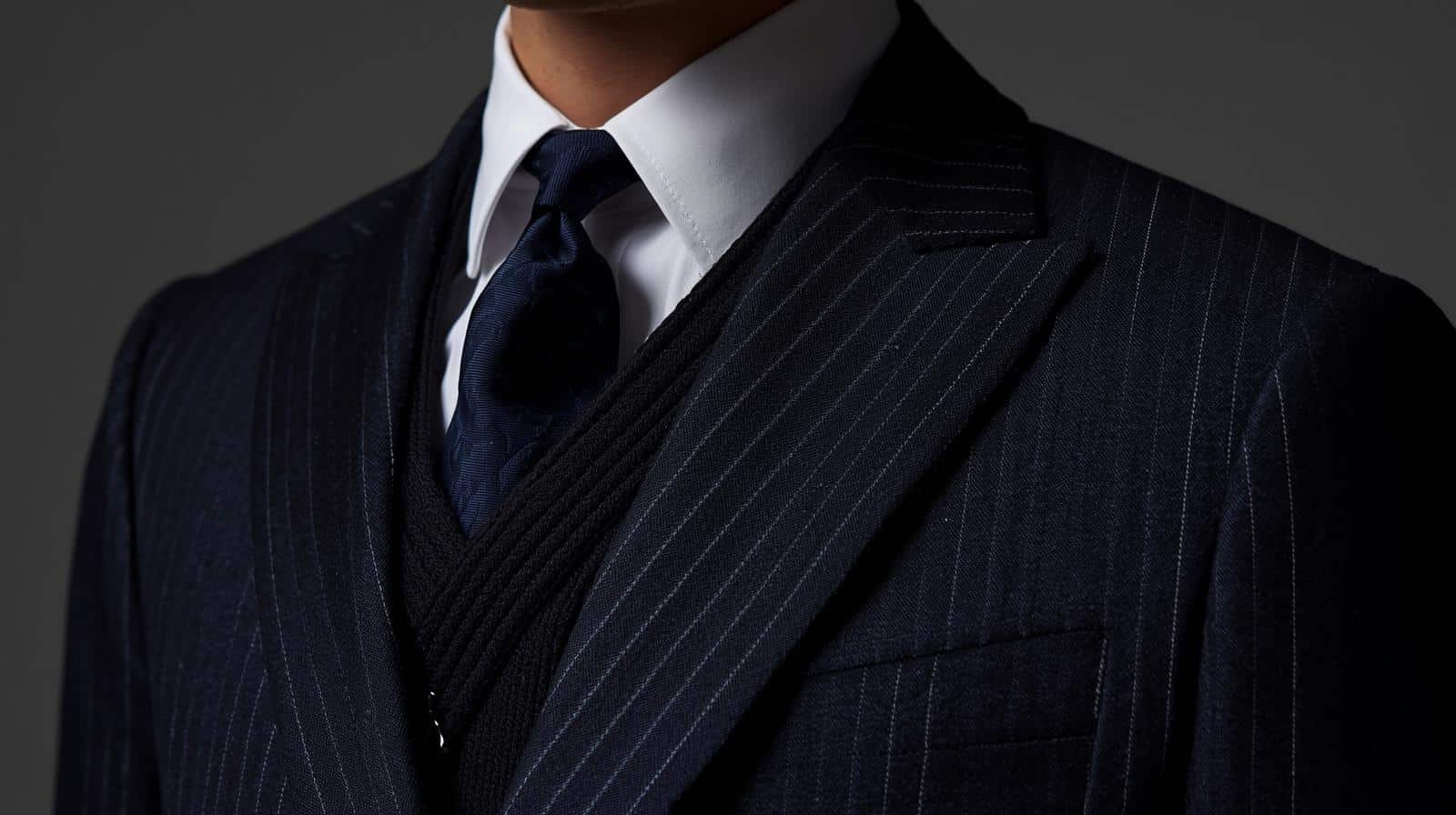
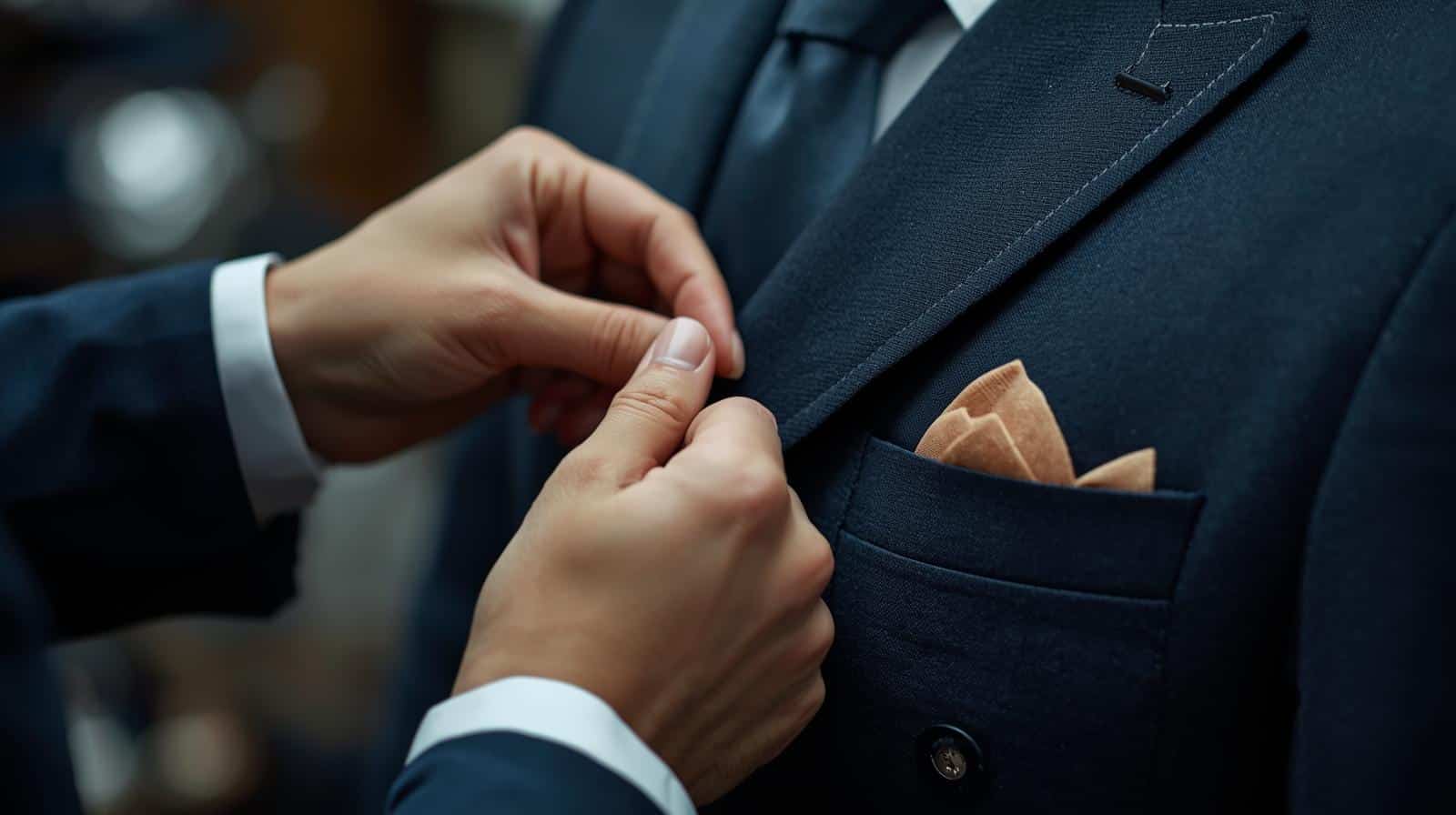
Visible stitching reflects the overall quality of the uniform. Uneven seams, loose threads, or misaligned stitching can negatively impact brand perception.
Clean, symmetrical stitching communicates:
- Professionalism
- Attention to detail
- Reliability
- Operational discipline
In the UAE’s competitive business landscape, where presentation plays a major role in customer perception, stitching quality directly influences brand credibility.
Employee Comfort and Performance
Poor stitching can cause:
- Friction against skin
- Restricted mobility
- Heat retention
- Discomfort during long shifts
Proper seam placement and flexible construction enhance comfort and movement. Comfortable employees are more productive, more confident, and more aligned with brand representation.
A uniform company in UAE must prioritize both durability and wearer experience when designing stitching strategies.
Long-Term Cost Efficiency and Sustainability
Reduced Replacement Frequency
High-quality stitching extends garment lifespan, reducing the need for frequent replacement.
For large organizations, this results in:
- Lower procurement costs
- Reduced inventory turnover
- Fewer operational interruptions
Investing in structural stitching quality provides long-term financial benefits.
Sustainability and Waste Reduction
Durable uniforms contribute to sustainability goals by minimizing textile waste. Extended garment life reduces material consumption and disposal frequency.
As sustainability becomes increasingly important in the UAE corporate sector, long-lasting stitching plays a role in responsible resource management.
Conclusion
Uniform stitching is the structural core of professional garment performance in the UAE. From precision cutting and stitch density to thread selection and climate adaptation, every detail contributes to durability, comfort, and brand representation.
As the global workwear market continues expanding beyond $67 billion, expectations for uniform quality continue to rise. In a region defined by extreme heat, demanding industries, and high presentation standards, stitching must be engineered for resilience and long-term performance.
For any organization seeking reliability and professional image, stitching is not a secondary detail — it is the foundation of uniform excellence.